
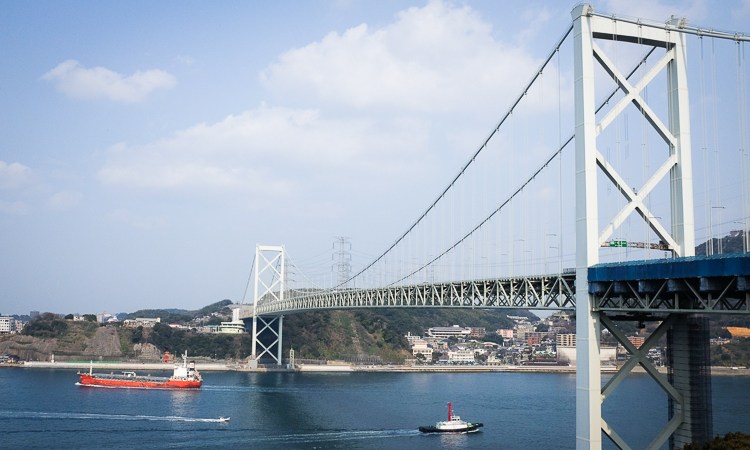
When I told my boss back in Canada that I’d be going to Kyushu, he remarked that Kyushu was “real Japan”. Over the course of living here for almost 8 months I’ve realized how influential this island was to Japanese history. Most things considered traditional Japanese, such as zen buddhism, started here.
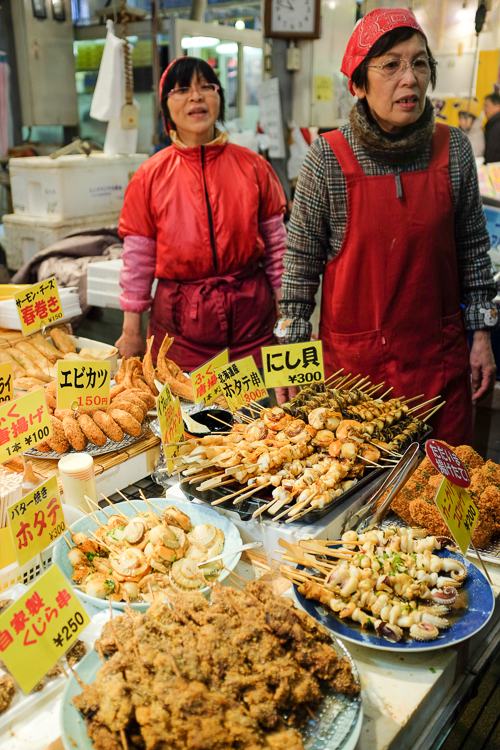
Last week I got a chance to go to the northern tip of Fukuoka, Mojiko, the port area connecting Kyushu to the bigger Japanese island of Honshu (where Tokyo, Osaka, and most of Japan are located). It was a really cool experience both because of the history of the area, and our fish market lunch across the water in Shimonoseki, Yamaguchi Prefecture, the southernmost point of Honshu.
Shimonoseki was the site of the treaty that ended the First Sino-Japanese War. Apparently, the site where it was signed is now a Chinese restaurant. Across the road, the waters in between the two islands was the site of one of Japan’s most famous samurai battles, way back in the 12th century. Really cool story: the losers of that battle are said to be reincarnated as crabs found in these waters. Check them out here (starts at 0:52). Today, the Kanmon Strait is a very important shipping route, used as a shortcut from Tokyo and Osaka to other parts of Asia.
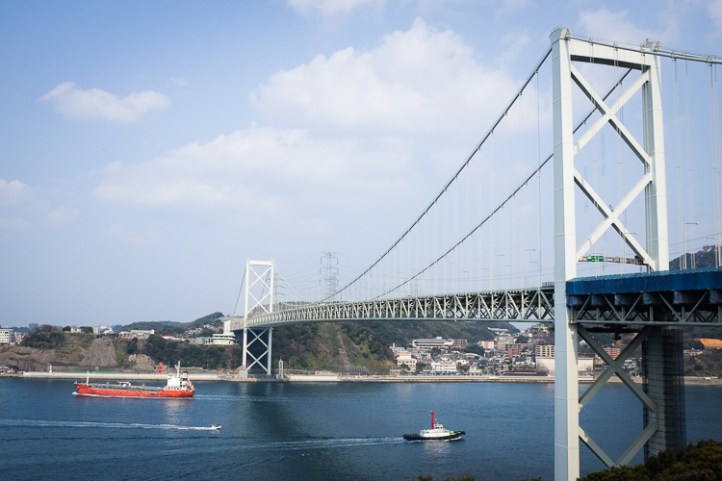
The bridge connecting Fukuoka, in Kyushu (right), and Yamaguchi, in Honshu (left). There is an underground tunnel as well, so you can walk from one island to the other.
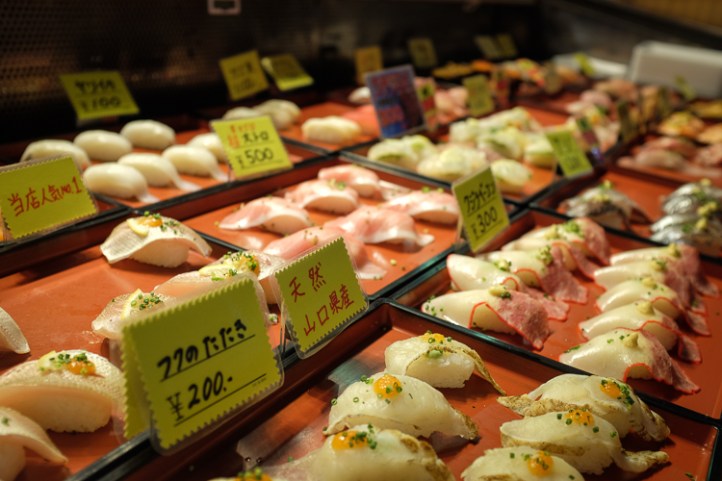
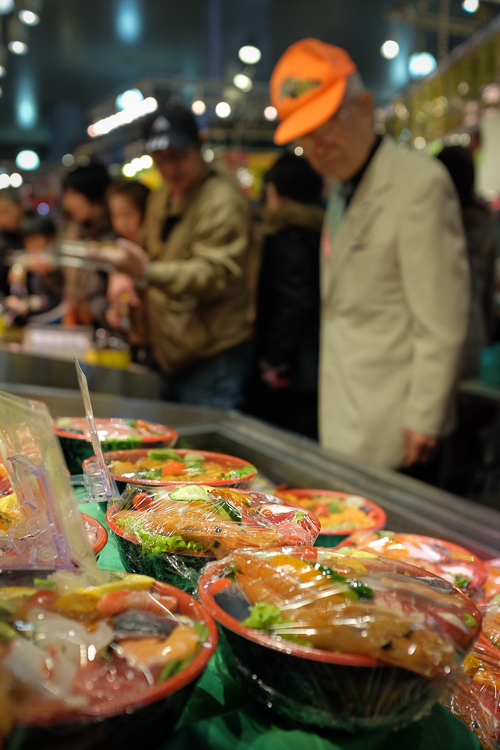
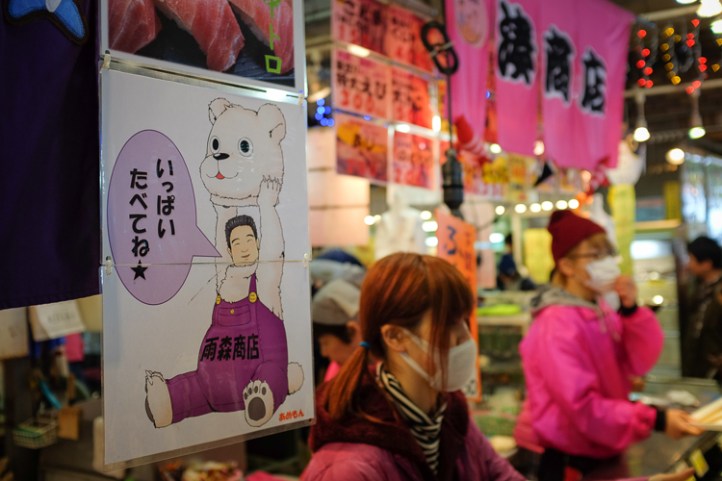
Amazing selection of sushi at a fish market in Shimonoseki

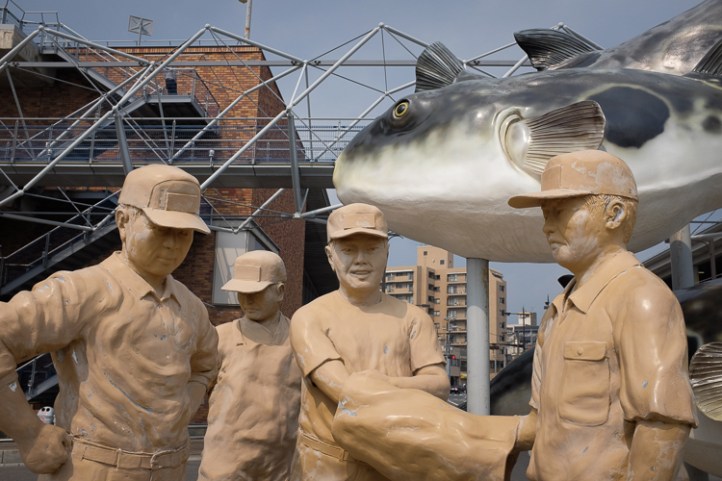
These statues show the old way of auctioning fish, where the two parties negotiate prices through hand signals concealed by a bag.
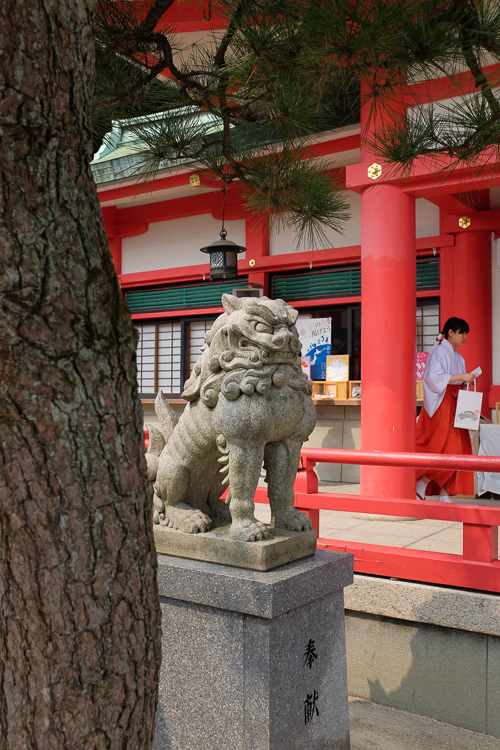
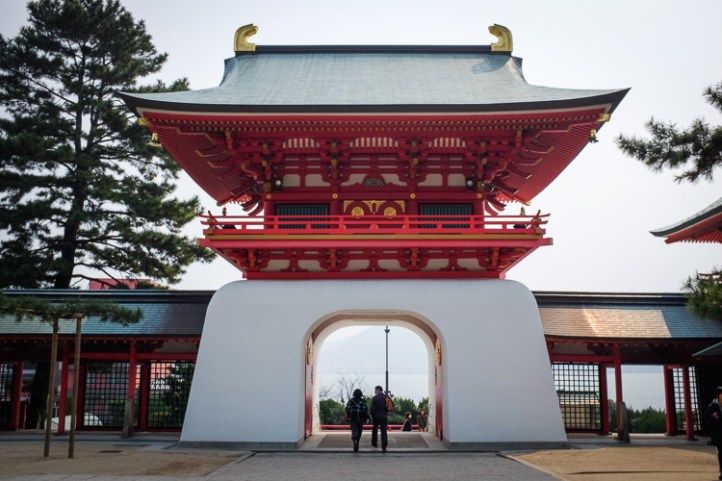
Back to the Kyushu side, this stone lantern in the water is part of the northernmost shrine in Kyushu.

 Teacher/Jetsetter