

Apologies for the long delay. Even though I’ve been back in Canada for four days, I’m still dozing off in the middle of the day, not from jet lag, but because for the first time in a long time, I don’t have anything urgent to do. In the past week alone my wife and I climbed Mount Fuji, driven around Hokkaido, packed up our stuff in Fukuoka, and flown back to Toronto. Right now we’re giving ourselves a little break.
The Mt. Fuji climb was obviously the most physically taxing; first time for my wife, second time for myself. I highly suggest giving it a try. It’s an amazing journey, and whatever the weather is when you get to the top (foggy for the both times I’ve climbed), it’s a really cool feeling. Keep reading, and along the way I’ll give you some tips on climbing Japan’s most famous mountain.
There are many ways to get to one of the few fifth stations (五合目) of Fuji. Because of our schedule, we had to fly from Fukuoka to Narita Airport in Tokyo, rent a car, and drive from there to the fifth station of the Yoshida Trail.
I loved driving through Tokyo.
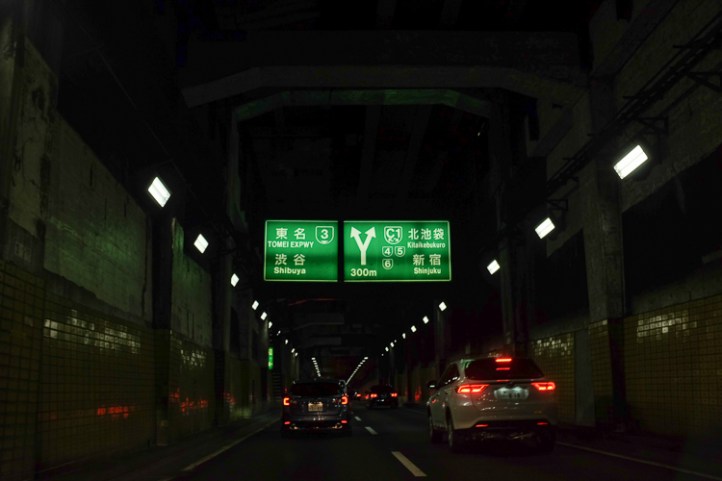
When we got there, we found out that because it was tourist season, the road to the fifth station had closed a week earlier to private vehicles. So we slept in our car and took the earliest shuttle bus up and hiked from there.
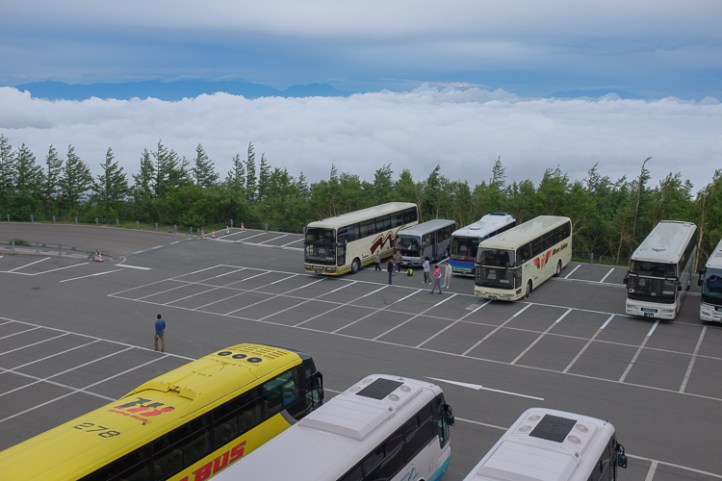
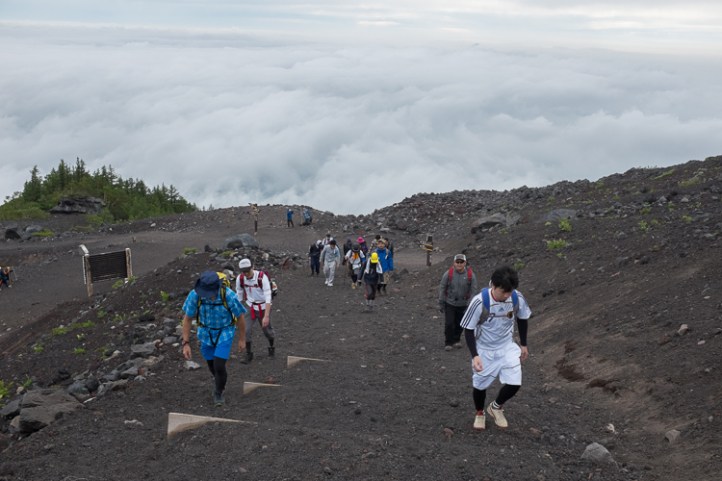
It’s just over a 5km hike, which doesn’t sound so bad on flat ground. But this is the highest mountain in this country! By around the 7th station you start to feel tired faster due to the decrease in oxygen in the air.

What to wear:
Good hiking shoes
Hiking socks
Light, warm pieces of clothing (two or three layers)
Waterproof jacket
Waterproof pants
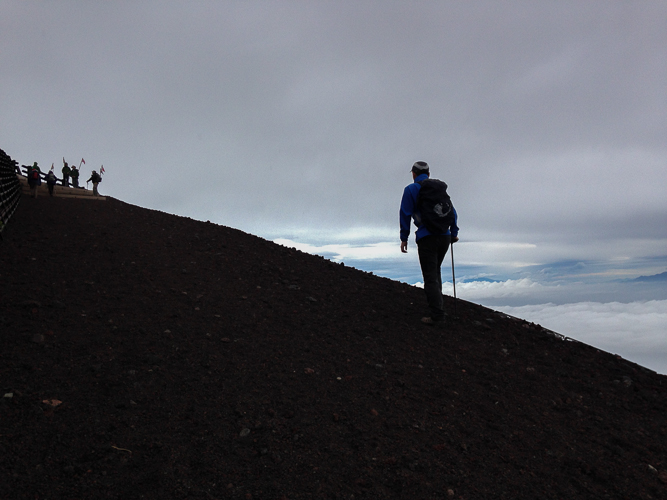
What to bring:
A few bottles of water (water is available along the way, but at 400-500 yen a pop)
Healthy snacks
Light source
Hiking pole (つえ). Special wooden ones are for sale at the fifth station gift shop, and along the way. They’re 1300 yen each, and about 750 yen away from Fuji. The good thing about the wooden ones is that you can get it branded/stamped at each station. How you bring it back home as another thing. I’ll talk about it below.
Camera
Portable oxygen canister (available at the shops along the route, but cheaper away from the mountain)
All in a waterproof bag
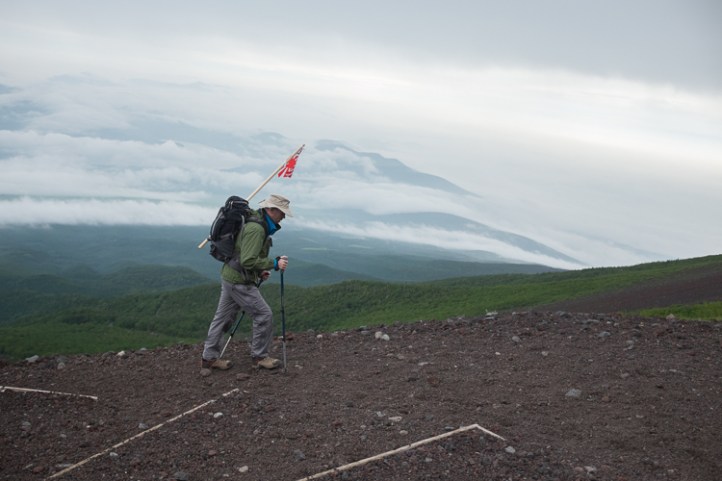
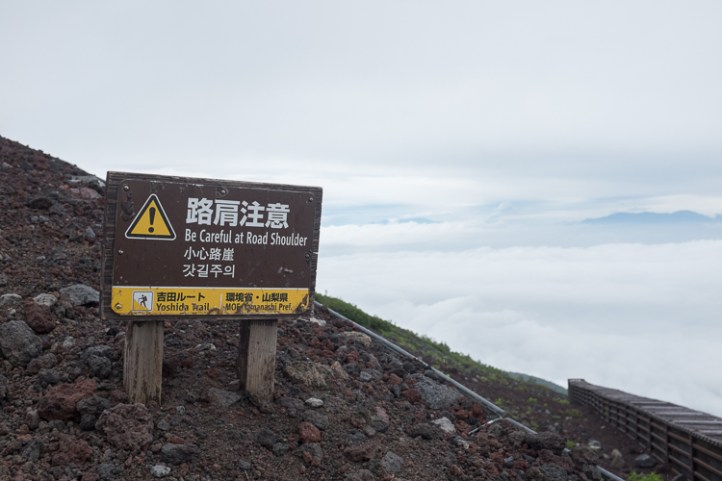
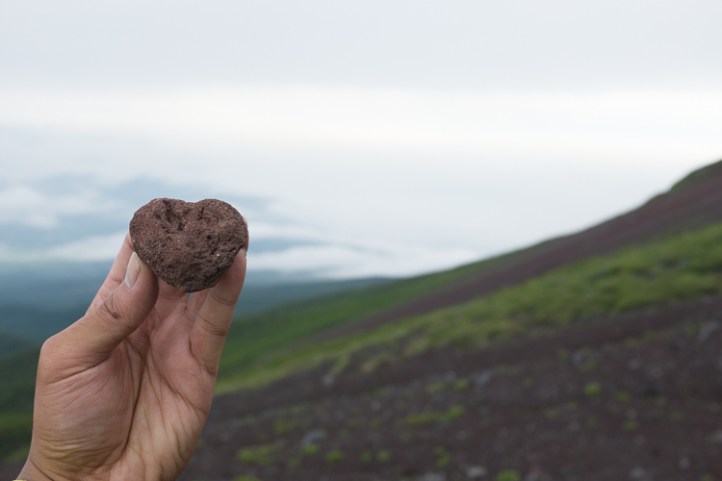
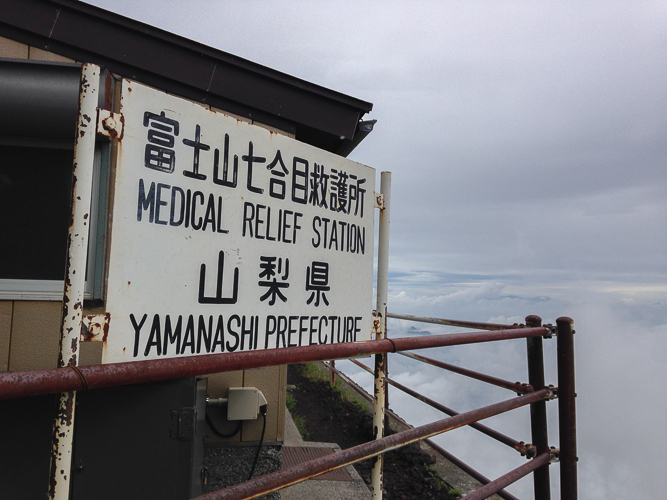
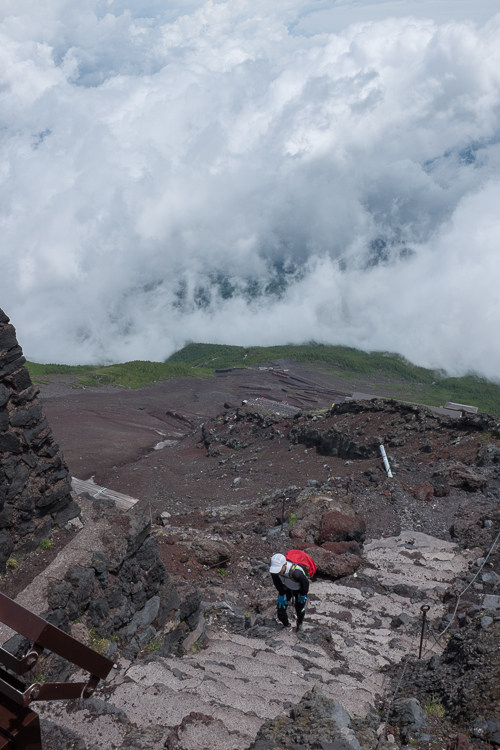
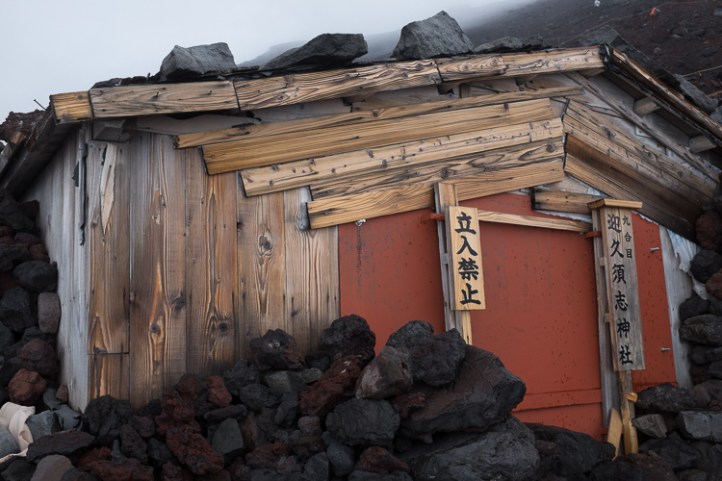
Bring your own first-aid kit, and don’t get stuck without the necessary supplies. This medical relief station was closed (as were the others) on this day (or climbing season, not sure).
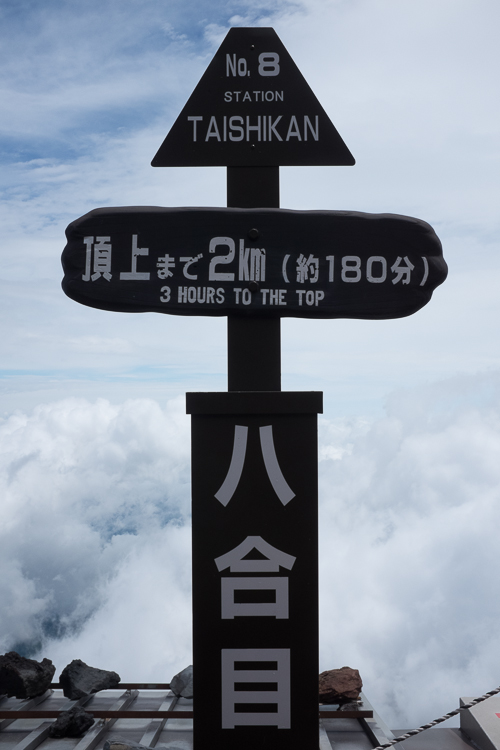
Don’t listen to the signs. It may take longer for you. The most important part is to keep going at your own pace. I passed by an old man on his way down as I was kind of rushing up and he told me “You’re wasting your energy at that speed”. You can’t not listen to an old Japanese man doling out advice.
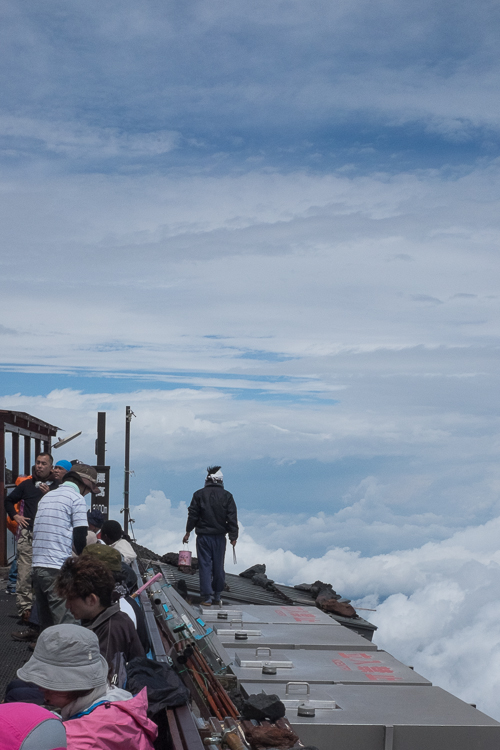
Incredibly beautiful view from above the clouds
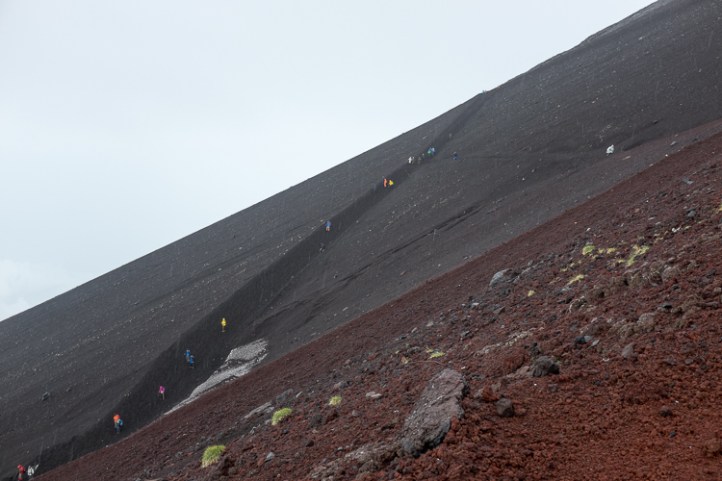
The view of the descending route from the ascending route on the Yoshida Trail.
The final torii at the top
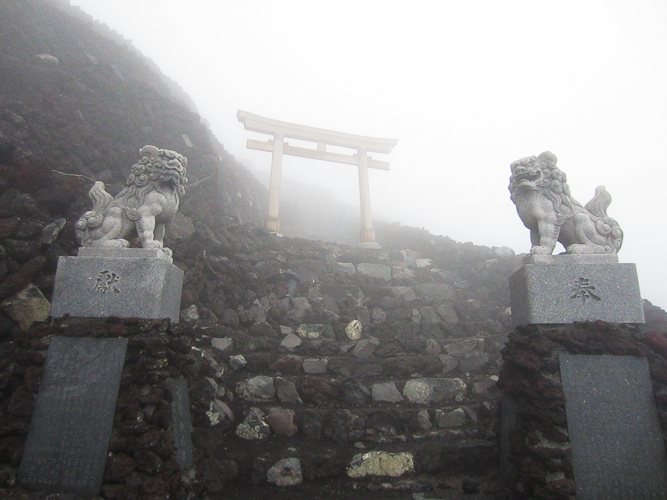
Made it!

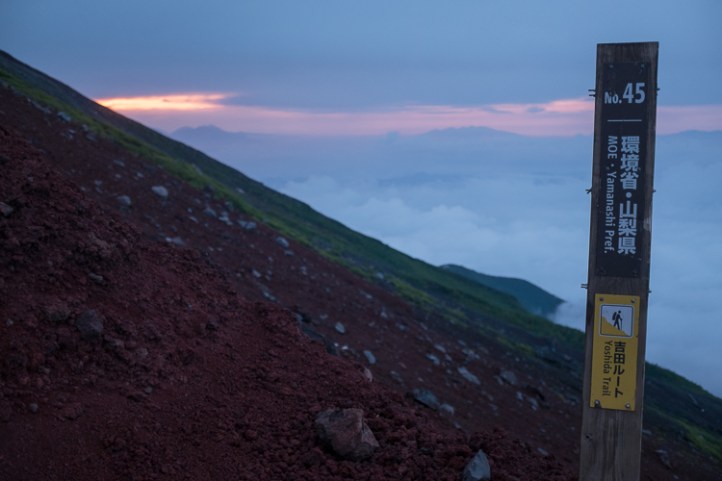
Saw the sunset on the way down. We had to hurry as it was getting dark, and the only light source we had was the focus assistance light on my DSLR. Be sure to bring a light source!
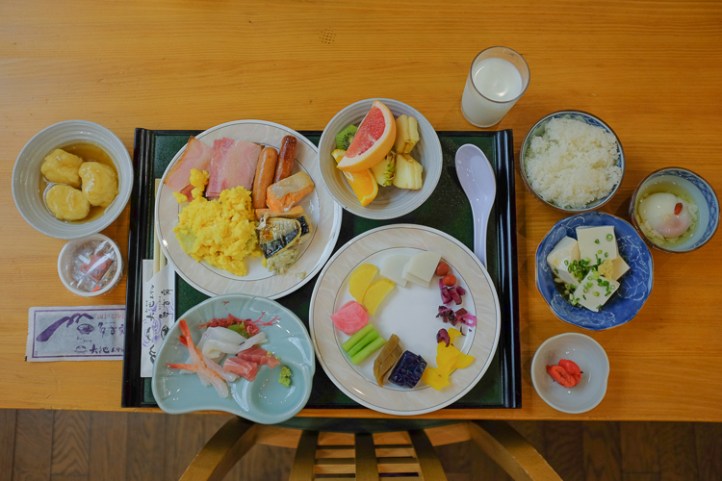
I deserved this giant breakfast the next morning.
Altogether it took us 15 hours up and down, 13 up (including time spent at the top), and 3 down. It may take you more or less. We took our time and gave ourselves plenty of time to rest. If you need some advice or if you have questions about climbing Mt. Fuji, send me an email!
*About the hiking stick. If you plan to bring your hiking stick away from Japan, my experience is that it counts as a piece of check-in luggage. What many people do is they get their pole stamped at the top of the mountain, and when they get down, saw off that part and bring that home.
 Teacher/Jetsetter